
How We Learn
Learning is intentional, joyful, and thoughtfully designed.
At Bloom, we use a mastery-based, experiential approach that supports students’ academic growth while also nurturing their confidence, relationships, and sense of purpose. Children arrive with natural curiosity, and we create the time and space for that curiosity to deepen into understanding.
A Typical Day at Bloom
Through hands-on experiences, meaningful connection, and thoughtful pacing, students grow as learners and as individuals.
-
8:00 a.m. to 8:30 a.m. | Play In The Day
Each morning, students have 30 minutes of time to play outside designed to help them start the day feeling regulated, connected, and ready to learn.
-
8:30 a.m. to 9:00 a.m. | Morning Meeting
Morning Meeting is a daily whole-group learning time. Held each morning, it includes announcements and an overview of the day, while also building skills like research, executive functioning, and communication that carry throughout the day.
-
9:00 a.m. to 11:00 a.m. | Learning Lab
This part of the day is dedicated to personalized learning, where students receive individualized instruction—primarily in reading and math—from their teacher. When not working directly with the teacher, students engage in long-term projects (passion projects, research projects, writing pieces, etc.) or practice individual skills with support from the teaching assistant.
-
12:00 p.m. to 2:00 p.m. | Workshop
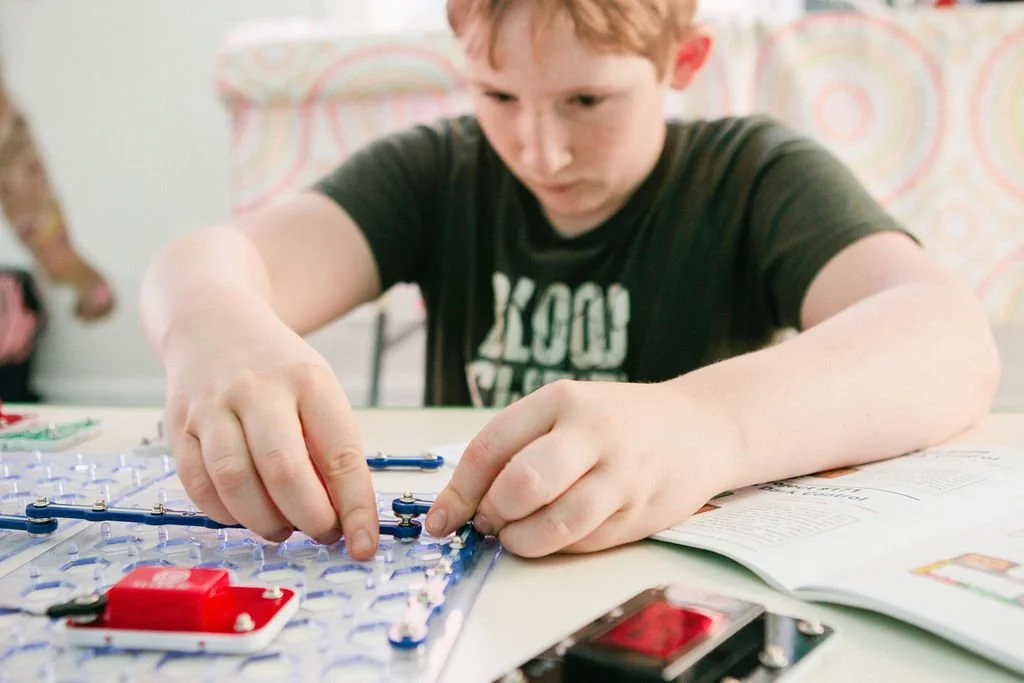
During workshop time, students will be engaging in experiential learning where they apply their academic skills in meaningful, real-world ways. Students will work together on interdisciplinary projects connected to their interests—like designing a garden using fractions or creating a museum to share about a historical time period. These experiences deepen engagement and help students understand the purpose behind what they’re learning.
-
2:00 p.m. to 3:00 p.m | Creativity, Language, & Life Skills and Fun Fridays
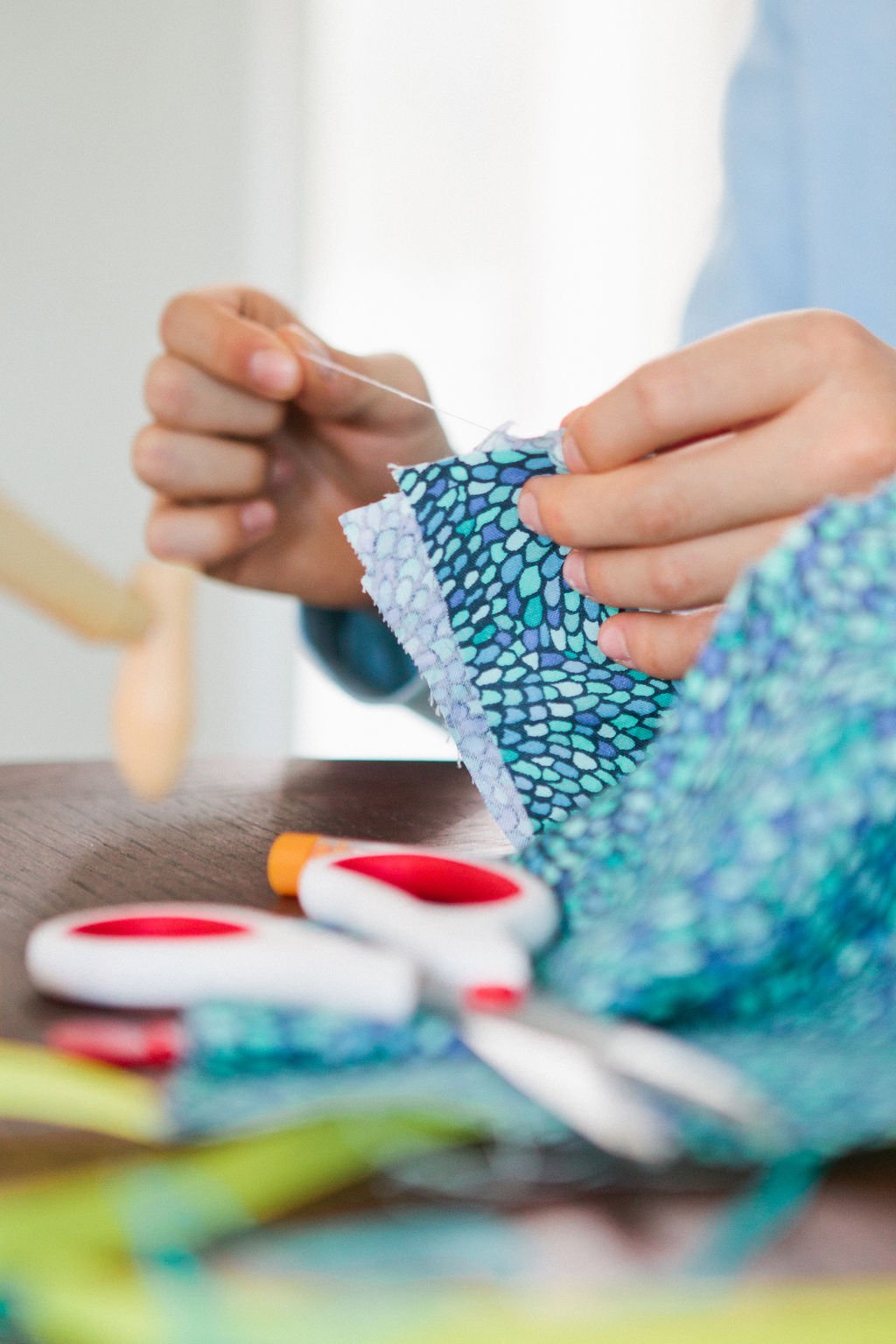
During this block of time each day, students experience Spanish through hands-on learning in art, music, drama, and movement while also building practical life skills like cooking, sewing, and financial awareness. By using Spanish in meaningful, real-world ways, students develop creativity, confidence, and a strong connection between learning and everyday life.
Fun Fridays take place each week. During this time, students engage with guest speakers on campus pr participate in field experiences throughout the community, connecting their learning to real people, places, and professions.
-
3:00 p.m. to 3:30 p.m. | Play Out The Day
Students wrap up each day with time to play outside, unwind, and connect with peers. This time helps them relax, feel grounded, and transition home refreshed.
Daily Schedule
8:00 a.m. to 8:30 a.m. Play In The Day
8:30 a.m. to 9:00 a.m. Morning Meeting
9:00 a.m. to 11:00 a.m. Learning Lab
11:00 a.m. to 12:00 p.m. Lunch and Break
12:00 p.m. to 2:00 p.m. Workshop
2:00 p.m. to 3:00 p.m Creative & Life Skills
3:00 p.m. to 3:30 p.m. Play Out The Day
Mastery-based Learning
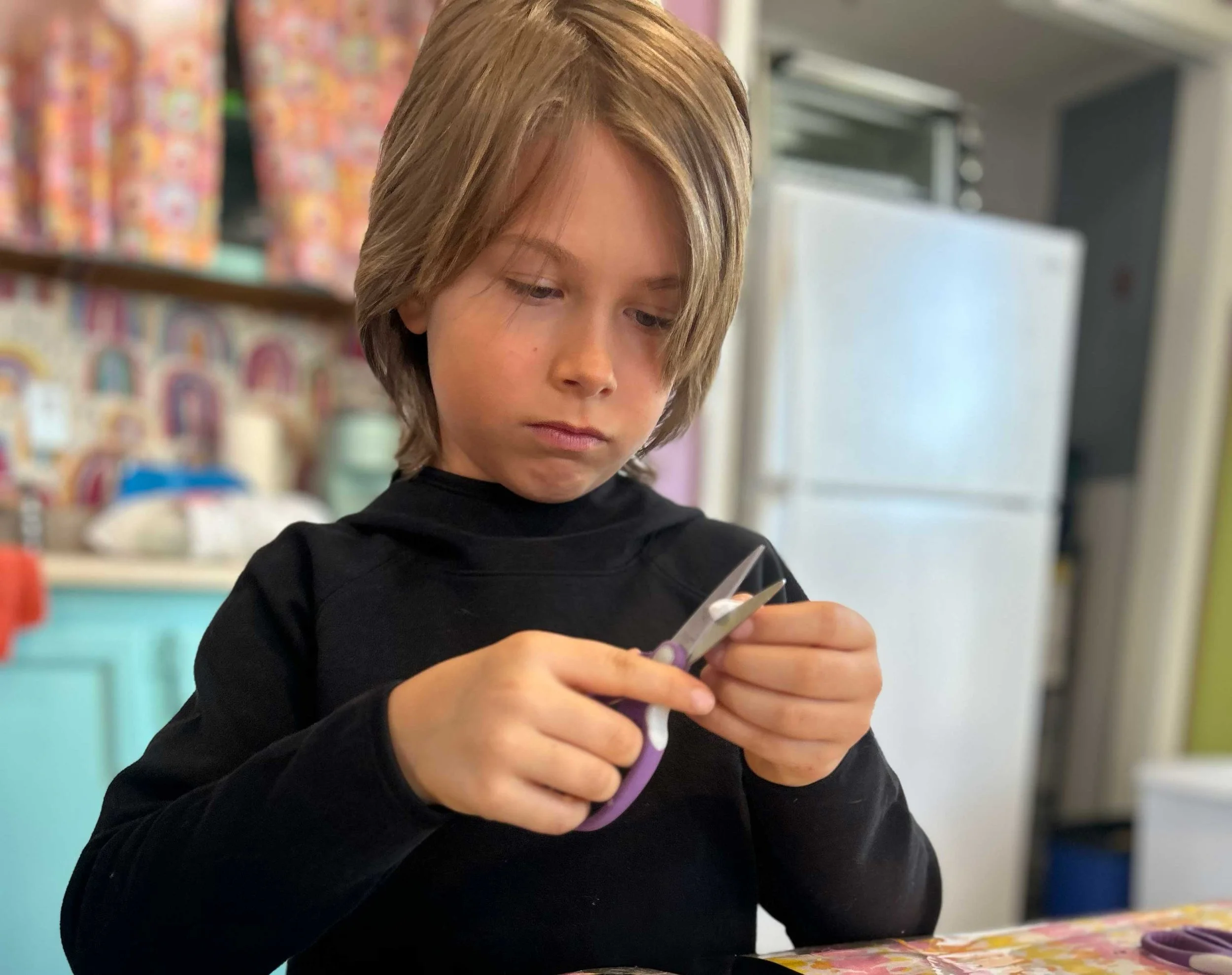
At Bloom, we use an Individualized Instruction approach. Students move forward when they truly understand a concept, not simply when they get the right answer. We focus on mastery of foundational skills through customized learning paths tailored to each child’s pace, strengths, and needs.
Students may work independently, in small groups, or at different levels across subjects. They receive support where needed and advance more quickly through material that comes easily to them.
We consider each child’s social and emotional development, creating a responsive environment where students feel known, confident, and connected.
Experiential Learning
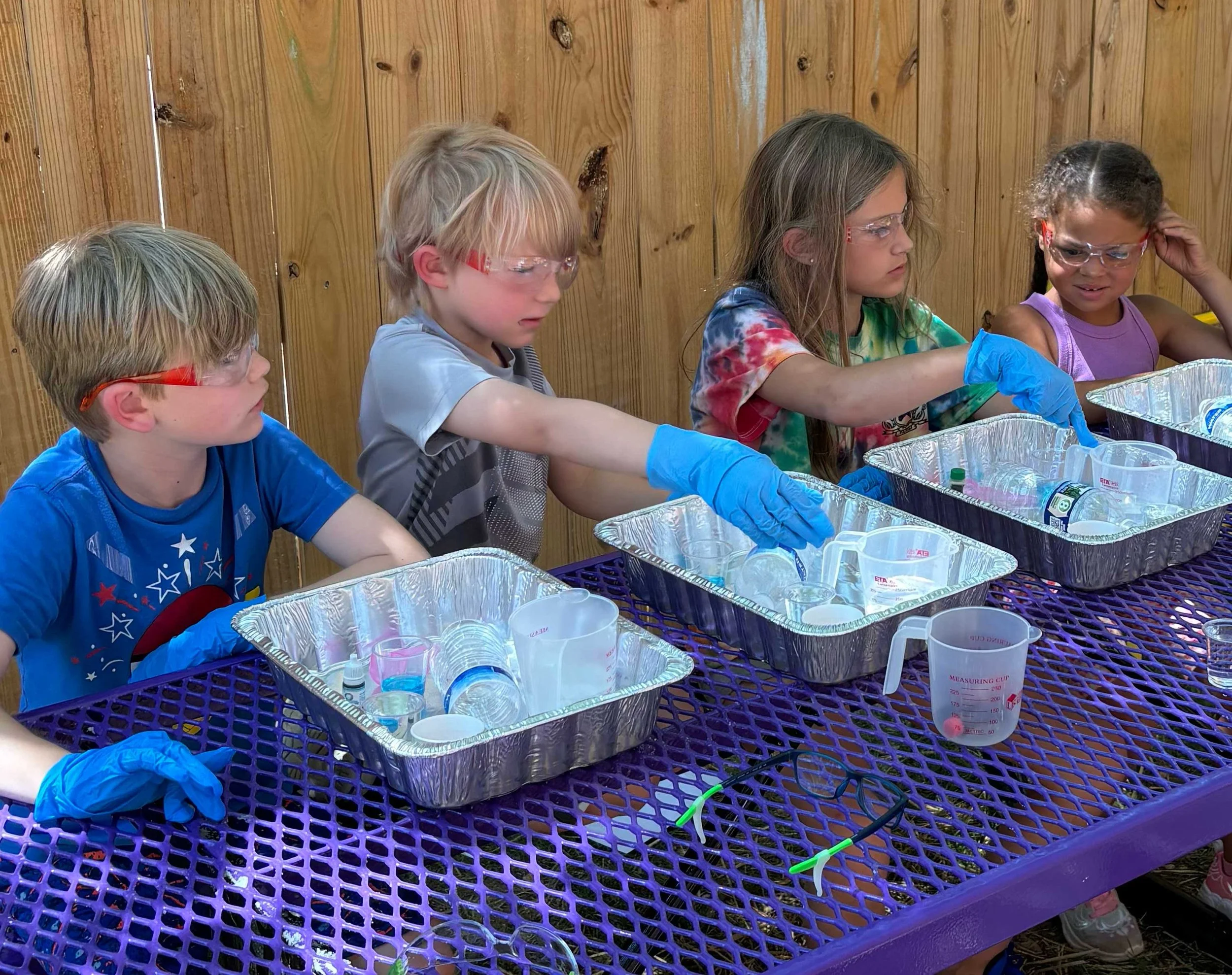
At Bloom, experiential learning means applying academic skills in relevant and meaningful ways. This approach increases engagement by connecting learning directly to students’ lives.
During experiential blocks, students collaborate on interdisciplinary projects (with an emphasis on science and social studies) shaped by their interests and current learning. For example, after studying fractions, students might design a garden bed using measurement, planning, budgeting, and teamwork. Experiential learning helps students see why learning matters beyond the classroom.
Time to Move, Connect, Play, and Be Outside
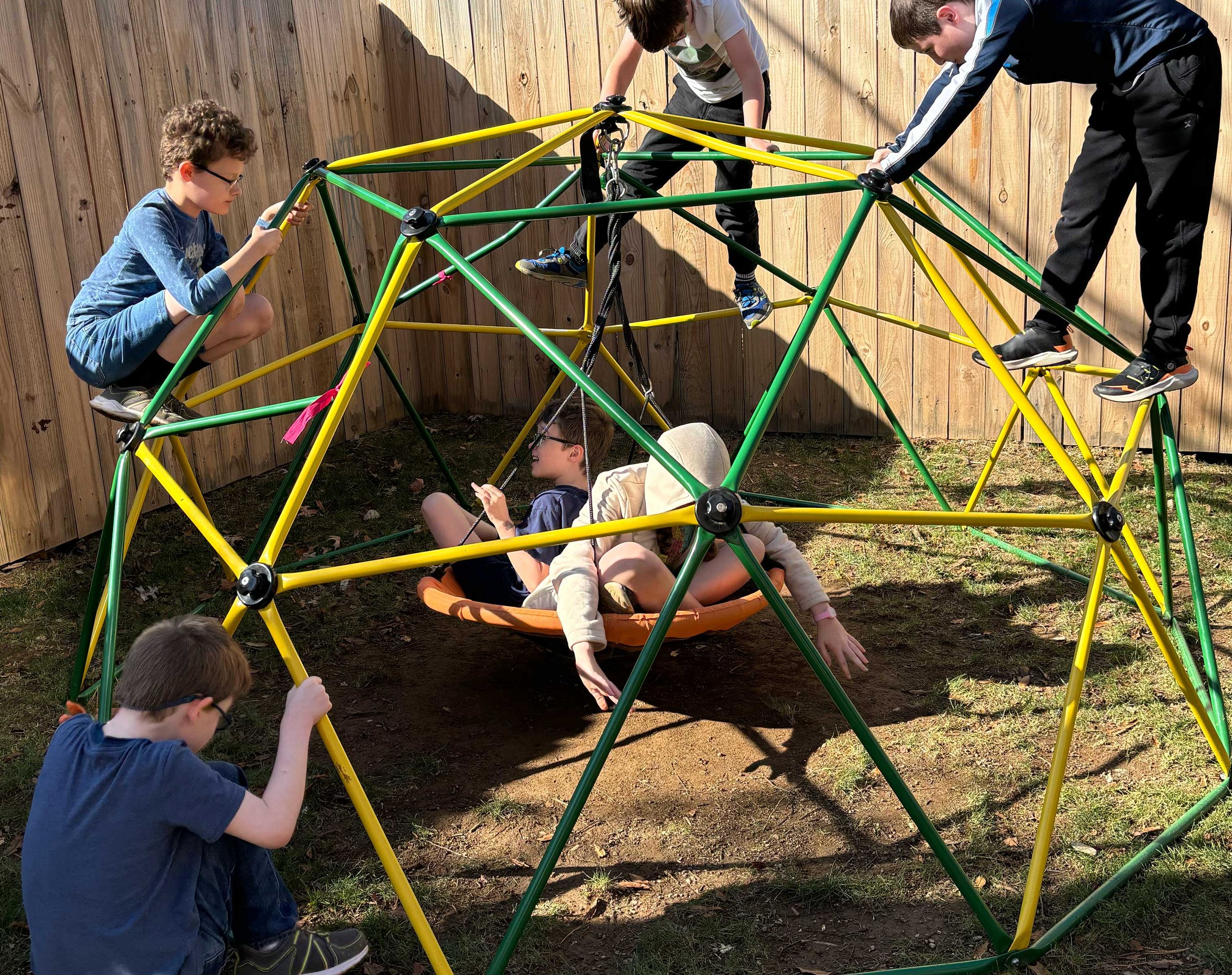
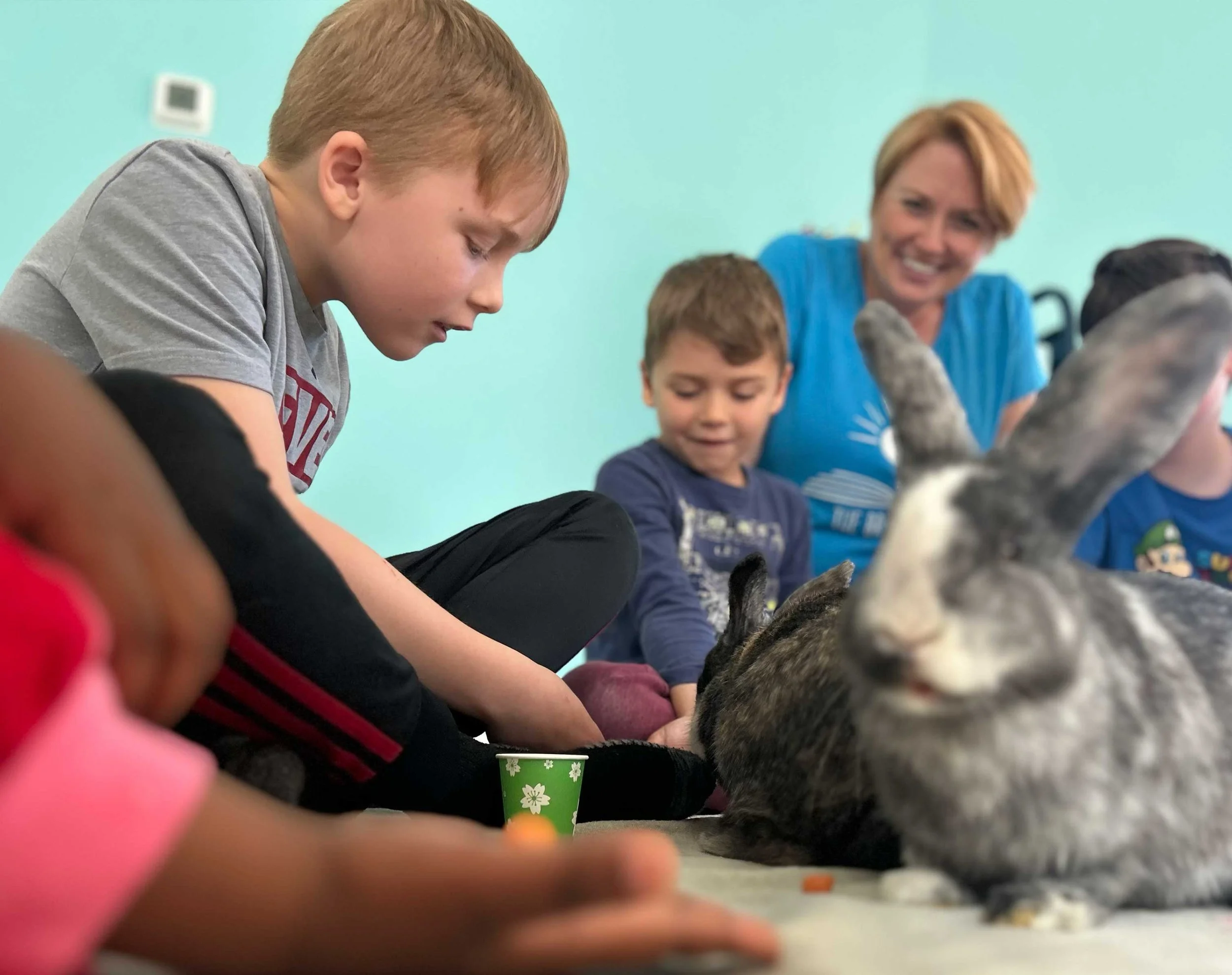
Movement and play are essential to how children learn and grow. At Bloom, students have daily opportunities to move their bodies, spend time outdoors, and connect with one another. Whether through free play, structured activities, or simply time in nature, these moments support focus, well-being, and joyful learning.
Creativity & Language
At Bloom, students don’t just learn Spanish—they experience it. Through daily immersive Spanish-language sessions, students engage in art, music, drama, and movement, building creativity, physical awareness, and language skills simultaneously. Creativity and the Spanish language become something they experience and use, not just study.
Real World Learning
Fun Fridays and Life Skills
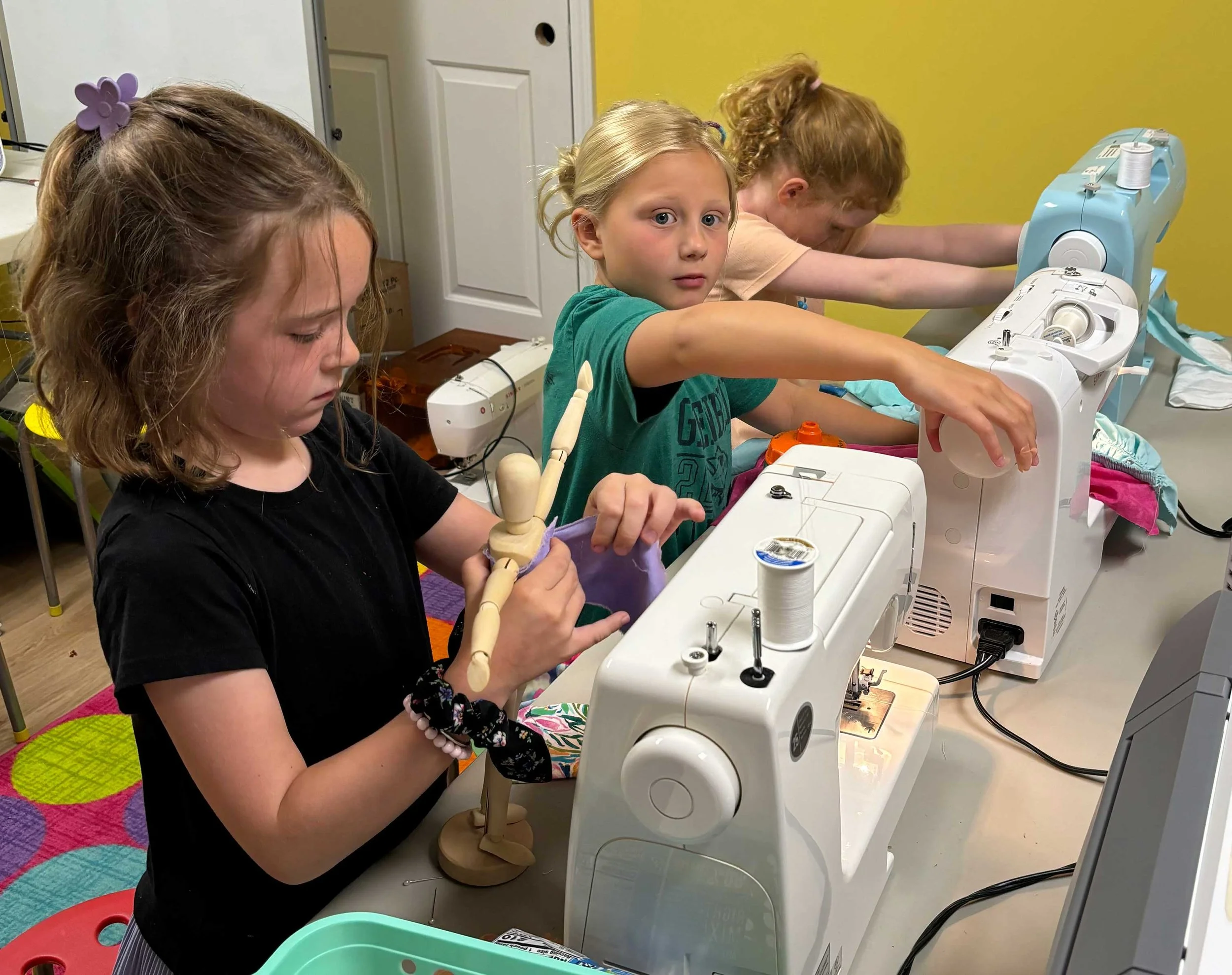
At Bloom, learning is designed to prepare students for life and connect to the world around them. Through hands-on experiences like cooking, sewing, and financial literacy—as well as meaningful connections with the community through field trips and guest speakers—students build independence, confidence, and real-world awareness. Through these experiences, they can see themselves as capable, curious participants in the world around them.
Social & Emotional Learning
At Bloom, social and emotional growth is an essential part of the learning experience and curriculum. Students develop skills in communication, executive functioning, self-regulation, and more through direct instruction, intentional practice, and application into the day. These foundations support both academic success, community building, and lifelong well-being.